Monthly Crane Inspection: What to Document (1926.1412(e))

The OSHA monthly crane inspection is the shift inspection done again, once a month, plus a check of anything the last annual flagged to be monitored, and this time it goes on paper. The record needs three things: what was checked and the results, the name and signature of the person who did it, and the date. You keep it at least three months. That is the whole federal requirement in 1926.1412(e).
What the rule actually says
Here is 1926.1412(e) in short:
- "Each month the equipment is in service it must be inspected in accordance with paragraph (d) of this section (each shift)."
- The equipment "must not be used until an inspection under this paragraph demonstrates that no corrective action" is required.
- Documentation: "The following information must be documented and maintained by the employer that conducts the inspection: (A) The items checked and the results of the inspection. (B) The name and signature of the person who conducted the inspection and the date."
- "This document must be retained for a minimum of three months."
Note the trigger: each month the crane is "in service." A crane parked all month does not need a monthly that month. If it sits 3 months or more, though, 1926.1412(h) requires a qualified person to do a monthly-type inspection before it works again.
What gets inspected
The monthly uses the shift list from 1926.1412(d)(1), so the same 14 items:
- Control mechanisms for maladjustments
- Control and drive mechanisms for excessive wear and contamination
- Air, hydraulic and other pressurized lines for deterioration or leakage
- Hydraulic system fluid level
- Hooks and latches for deformation, cracks, wear or damage
- Wire rope reeving, per the manufacturer
- Wire rope, per 1926.1413
- Electrical apparatus for malfunction, deterioration, dirt or moisture
- Tires for inflation and condition
- Ground conditions around the crane, including settling under outriggers
- Level, within the manufacturer's tolerance
- Operator cab windows
- Rails, stops and clamps, on rail-traveling equipment
- Safety devices and operational aids
Add two things:
- Monitor items from the annual. If the qualified person at the annual decided a deficiency "needs to be monitored," 1926.1412(f)(6) says it gets checked in the monthly inspections. Write each one on the sheet by name until it is resolved.
- Manufacturer items. If the OEM manual calls for a more thorough or more frequent check, 1926.1412(j) makes it part of your inspection.
The wire rope monthly
1926.1413(b) requires a monthly wire rope inspection, documented "according to § 1926.1412(e)(3)." So the same three elements, the same three months. Rope items worth naming on the sheet:
- Kinking, crushing, birdcaging, core protrusion
- Significant corrosion, heat or arc damage
- End connections
- Broken wires against the Category II counts in 1926.1413(a)
- Diameter reduction of more than 5% from nominal
And one easy-to-miss line: if a lift was made on rotation-resistant rope under the reduced design factor exception in 1926.1414(e)(3), that lift "must be recorded in the monthly and annual inspection documents."
Who does it and who signs
The shift inspection is done by a competent person, someone who can identify hazards and has authority to fix them. The monthly repeats it, so in practice the operator or a lead hand does it and signs. Make sure that person actually has the authority to red-tag the crane. If they find a safety hazard, the crane is out of service until it is corrected, and 1926.1417(f) requires a tag in the cab saying so.
A monthly sheet that holds up
The federal minimum is three elements. A sheet that holds up when a GC or an inspector reads it has a few more:
| Field | Required federally? | Why it helps |
|---|---|---|
| Crane ID and serial number | No | Ties the record to the machine; GCs match serials |
| Hour meter | No | Shows use between inspections |
| Each item, with OK / Defect / N/A | Yes (items and results) | The heart of the record |
| Notes on each defect and the action taken | Yes (results) | Shows the hazard decision was made |
| Monitor items from the last annual | Effectively yes | 1926.1412(f)(6) requires checking them |
| Wire rope items | Yes, under 1926.1413(b) | Can share the sheet |
| Inspector name and signature | Yes | |
| Date | Yes | |
| Job or location | No | Helps when a GC asks "where was it" |
Keep "N/A" honest. Owners complain that generic forms are full of items that do not apply to their trucks. Delete those rows from your template instead of ticking N/A every month.
How long to keep it, and who keeps it
Three months minimum, kept by "the employer that conducts the inspection." On an operated rental, that is usually you. On a bare rental, the rental agreement often shifts the inspections and the log to the renter. Big lessors write it into their contracts. See bare rental vs operated rental paperwork.
Three months is the floor, not the ceiling. GCs commonly ask for the "last three monthly inspection reports," and 1926.1412(k) says all inspection documents must be available, during the retention period, to anyone who does inspections under that section. Many shops keep monthlies at least until the next annual is done. More in how long to keep crane inspection records.
Where monthlies show up again
- The jobsite packet. Dimeo's lift plan form checks for "copies of last three monthly inspection reports" in the cab. See the jobsite crane packet.
- The annual. The qualified person reviews history, and in Washington the certifier must review the last three months of shift inspections.
- After an incident. OSHA's directive tells compliance officers to verify that inspection documentation "is available for all inspections of the equipment."
For how the monthly fits with the shift and annual clocks, see the OSHA crane inspection schedule.
Fifteen minutes, not an hour
A monthly on a crane you know should not take long. A few habits keep it quick and honest:
- Do it at the start of a shift, when the crane is set up and level, so ground and level items are real checks.
- Keep the template short and specific to the crane. Remove rows that never apply.
- Write defects in plain words: what, where, how bad, and what you did about it.
- Photograph anything you flag. A picture of a weeping cylinder is worth a paragraph.
Common gaps
- The sheet has no signature, just a printed name or initials.
- The date is missing or the month is skipped while the crane was working.
- Monitor items from the annual never made it onto the monthly.
- The monthly lives in the truck, and the truck is on a job three hours away when the GC asks.
- The rope check is assumed, not listed.
Where CraneFile fits
We're building CraneFile with a handful of crane shops. The operator does the monthly on a phone, offline if needed, with the monitor items from the last annual already on the list. The office sees it the same day, and the last three monthlies drop into the packet you send a GC. It is not live yet. If you want in early, reserve a spot or call Patrick at (786) 471-4419.
This is plain-English guidance, not legal advice. The regulation text governs, and your OEM manual or state rules may require more.
Questions we get
What must a monthly crane inspection record include?
Under 1926.1412(e)(3), the items checked and the results of the inspection, plus the name and signature of the person who did it and the date. Nothing more is required by the federal text, though a crane identifier and hour meter reading make the record far more useful.
Who can do the monthly crane inspection?
The monthly repeats the shift inspection, which is done by a competent person. In most small shops that is the operator or a lead hand with the authority to take the crane out of service.
How long must monthly crane inspections be kept?
At least three months under 1926.1412(e)(3)(ii), by the employer that conducts the inspection.
Does the wire rope need its own monthly record?
1926.1413(b) requires a monthly wire rope inspection documented the same way as the monthly crane inspection. Many shops put it on the same sheet as long as the rope items are clearly listed.
Tired of chasing this paperwork?
We're building CraneFile with a handful of crane shops: every crane's and operator's papers kept current, and one link for the GC. Want in early? Reserve a founding spot or call Patrick at (786) 471-4419.
This is plain-English guidance, not legal advice. The regulation text and your state's rules govern.
Keep reading
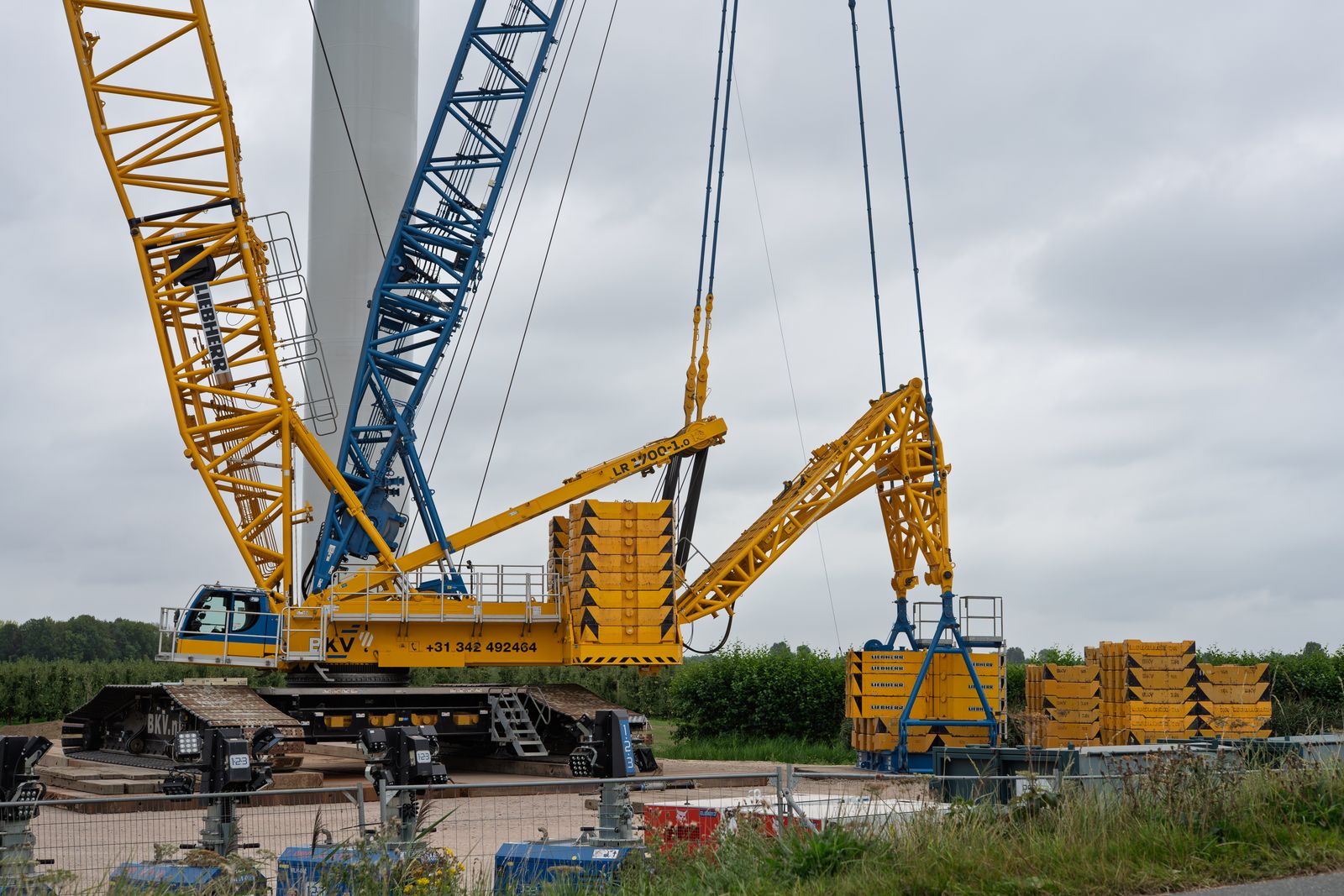
OSHA Crane Inspection Schedule: Shift, Monthly, Annual
What 29 CFR 1926.1412 requires every shift, every month and every 12 months, who does each inspection, what goes on paper, and how long you keep it.

Green Sticker Crane Inspections: What the CraneSafe Sticker Means
What Green Sticker by CraneSafe is, who runs it, how a GC checks a sticker, and how it fits with OSHA's annual inspection and California and Washington rules.
Annual Crane Inspection Requirements: What OSHA Says
The OSHA annual crane inspection under 1926.1412(f): who can do it, the 21 items, functional testing, what the record must show, and how long to keep it.